
Who Does What at a Wedding? A Guide to Your Wedding Vendor Team
Planning a wedding often means hiring several talented people—but it is not always clear where one person’s job ends and another person’s begins. Who keeps the timeline moving? Who places the centerpieces? Who tells the DJ when it is time for the first dance? And if your venue has staff present, do you still need a wedding coordinator?
Understanding each person’s role before you sign contracts can prevent gaps, duplicated services, unexpected expenses, and plenty of wedding-day stress. Here is a simple guide to the people who may be involved in your wedding and what each one typically handles.

Wedding Planner
A wedding planner helps with the big picture of planning your wedding. Depending on the package you choose, your planner may begin working with you shortly after your engagement and remain involved through the wedding day.
A full-service wedding planner may help you:
Set and manage your wedding budget
Find and recommend vendors
Review contracts
Develop your design and overall vision
Create a planning schedule
Arrange rentals and transportation
Build a detailed wedding-day timeline
Communicate with vendors
Solve logistical problems before they reach you
Oversee setup, the ceremony, the reception, and cleanup
A planner is especially helpful if you are busy, planning from out of town, hosting a large or complex wedding, or simply want an experienced professional guiding your decisions from beginning to end.
Not every planner offers the same level of service, so ask exactly when communication begins, how many meetings are included, whether design services are part of the package, and how involved the planner will be on the wedding day.
Wedding Coordinator
A wedding coordinator focuses primarily on logistics as the wedding gets closer. You may hear this service called “day-of coordination,” but most coordinators begin working several weeks before the wedding so they have time to understand your plans and confirm the details.
A coordinator may:
Review your plans and vendor contracts
Create or finalize the wedding-day timeline
Confirm arrival times and details with vendors
Lead the rehearsal
Direct the wedding party before the ceremony
Cue the processional
Keep the reception events on schedule
Communicate with the DJ, photographer, caterer, and other vendors
Handle questions and small emergencies throughout the day
Make sure personal décor and belongings are handled according to your plan
The coordinator is often the central point of contact on the wedding day. Instead of vendors, relatives, and wedding-party members bringing every question to the couple or their parents, they can go to the coordinator.
Planner vs. coordinator: What is the difference?
A planner helps create the plan. A coordinator helps carry it out.
There can be overlap, and some professionals offer both services. The important thing is not the title—it is what the contract says they will do. Ask for a detailed list of responsibilities before booking.

Venue Manager or Venue Staff
Venue staff are responsible for the venue itself. Their job is to make sure the property is ready, accessible, and operating properly according to the rental agreement.
Depending on the venue, staff may:
Open and close the property
Answer questions about the building and grounds
Operate venue-owned lighting, heating, or air conditioning
Address restroom, electrical, or facility concerns
Explain venue rules to vendors
Set up venue-owned tables and chairs if that service is included
Help with parking or other venue-specific responsibilities
Venue staff are not automatically wedding planners or coordinators. Unless coordination is specifically included in your package, they may not create your timeline, decorate your tables, cue your ceremony, manage your wedding party, announce reception events, or oversee all of your vendors.
At Milk & Honey Barn, our day-of staff are here to assist with venue-related needs and make sure the property is operating as it should. Planning and wedding coordination are not included with the venue rental, so couples should assign those responsibilities to a professional coordinator or another clearly designated person.

Caterer and Catering Staff
Your caterer is responsible for much more than preparing food. Their duties may include menu planning, food transportation, safe food handling, buffet or plated meal service, beverage stations, clearing tables, and cleaning their own work areas.
Before booking, ask whether the caterer provides:
Servers and bussing staff
Plates, flatware, glasses, and napkins
Buffet equipment and serving utensils
Cake cutting and serving
Water, tea, coffee, or other nonalcoholic beverages
Trash removal
Cleanup of food-service areas
Setup and breakdown of catering equipment
Do not assume these services are included. A restaurant that delivers pans of food provides a very different service from a full-service wedding caterer. If you choose drop-off catering or food prepared by family, you will still need enough people to set up the food, refill it, clear tables, manage trash, pack leftovers, and clean afterward.

Bartender
A bartender serves alcohol according to the venue’s policies, applicable laws, and the terms of your bartending agreement. In addition to pouring drinks, bartenders may check identification, monitor guest consumption, keep the bar area clean, and stop service when necessary.
Ask who provides:
Alcohol and mixers
Ice and coolers
Cups, napkins, straws, and garnishes
Bar tools
Beverage tubs or portable bars
Setup and cleanup
Alcohol liability insurance
Milk & Honey Barn requires in-house bartending when alcohol is served. Alcohol must meet the venue’s requirements, and service ends 30 minutes before the reception ends. Reviewing these details early will help you purchase the right beverages and avoid surprises.

DJ or Band
Your DJ or band sets the tone for the celebration, but entertainment is only part of the job. A professional DJ often serves as the reception emcee and helps keep major events moving.
A DJ may:
Provide ceremony and reception sound equipment
Supply microphones for the officiant, vows, speeches, and announcements
Play processional, recessional, cocktail-hour, dinner, and dancing music
Introduce the wedding party and newlyweds
Announce the first dance, parent dances, cake cutting, toasts, and send-off
Coordinate reception cues with the planner or coordinator
Read the room and adjust the music
The DJ should not have to invent the schedule. Give them a finalized timeline, pronunciation notes for names, your must-play and do-not-play lists, and the name of the person authorized to approve changes.

Photographer
Your photographer documents the people, details, and moments that make up your wedding day. Their work often begins well before the ceremony with timeline planning, family photo lists, location scouting, and decisions about whether you will have a first look.
Your photographer may help organize the timing of:
Getting-ready photos
Detail photos
First-look portraits
Wedding-party and family portraits
Golden-hour portraits
Reception events
A staged or final exit
Photography timelines matter, but the photographer should work alongside your planner or coordinator rather than becoming the person responsible for running the entire wedding. Give your photographer a list of important family groupings and any meaningful details or relationships you want documented.
Videographer
A videographer captures motion, voices, vows, speeches, and the atmosphere of the day in a way photographs cannot. They often work closely with the photographer, but each professional needs enough time and space to get the footage or images they need.
Ask what your package includes, such as:
Hours of coverage
One or multiple videographers
Recorded ceremony audio
Drone footage, where permitted
A short highlight film
A longer ceremony or documentary-style film
Raw footage
Delivery timeline and music licensing
It is helpful for your photographer and videographer to receive the same timeline and speak before the wedding, particularly about portraits, ceremony positioning, and the exit.

Florist and Decorator
A florist creates your personal flowers and floral arrangements. A decorator or rental company may provide and install items such as draping, backdrops, arches, candles, table décor, lounge furniture, linens, or specialty pieces. Sometimes one company does both; sometimes these are completely separate roles.
Confirm who is responsible for:
Delivering bouquets and boutonnieres
Pinning boutonnieres and corsages
Installing ceremony flowers
Moving arrangements from the ceremony to the reception
Placing centerpieces and other décor
Lighting candles or operating flameless candles
Returning at the end of the night
Removing installations and rental items
Packing personal décor and leftover flowers
Installation and removal can require considerable time and labor. Never assume the venue, coordinator, or catering staff will handle décor unless it is included in writing.

Officiant
Your officiant leads the ceremony and helps make sure the marriage ceremony meets your wishes and any applicable legal requirements. They may help write the ceremony, guide your vows, attend the rehearsal, and complete the marriage license after the ceremony.
Before the wedding, discuss the tone and length of the ceremony, religious or cultural elements, personal stories, announcements, rehearsal attendance, and how the signed marriage license will be returned.

Baker or Dessert Provider
Your baker usually delivers and sets up the wedding cake or desserts, but serving is not always included. Ask who will provide the cake knife, plates, forks, napkins, and serving utensils—and who will cut and serve the cake.
Also confirm who will pack leftover desserts and return or clean cake stands and rented display pieces.

Hair and Makeup Artists
Hair and makeup professionals help the wedding party get ready on schedule. Your lead artist should provide a beauty timeline based on the number of services, number of artists, and required finish time.
Allow extra time for late arrivals, touch-ups, getting dressed, and photographs. If several people are receiving services, ask whether additional artists will be needed and whether they offer touch-ups later in the day.
Rental Company
A rental company may provide linens, upgraded chairs, tableware, tents, dance floors, specialty furniture, heaters, or other items not included by the venue.
Confirm delivery and pickup windows with both the venue and rental company. Ask whether the company installs the items or simply drops them off, who is responsible for counting and repacking them, and what happens if pickup occurs after your rental period ends.
Transportation and Parking Team
If you are using shuttles, buses, valet service, or parking attendants, provide clear addresses, schedules, passenger counts, loading areas, and contact numbers. Transportation timing should be built into the master timeline, especially if the ceremony and reception take place at different locations.
Wedding Party, Family, and Friends
Loved ones can be wonderful helpers, but they should be given specific assignments. “Everyone will help” often becomes “no one knew it was their job.”
If friends or relatives are helping, assign each responsibility to one named person and make sure they understand when it must be completed. Helpful roles may include:
Taking personal flowers home
Packing cards and gifts
Gathering personal décor
Transporting leftover food
Checking dressing areas for belongings
Taking the marriage license or special keepsakes
Serving as the emergency contact for a child or family member
Try not to give essential, time-sensitive jobs to parents or wedding-party members who need to be in photographs or participate in the ceremony. They deserve to enjoy the day, too.

Who Is Responsible for Cleanup?
Cleanup is one of the most overlooked parts of wedding planning. Every venue and vendor contract is different, so create a written cleanup plan well before the wedding.
Determine who will:
Clear tables
Dispose of food and beverages
Remove trash
Pack gifts and personal items
Take down decorations
Remove florals
Gather linens
Return rental items
Clean catering and bar areas
Check the venue for anything left behind
At Milk & Honey Barn, couples attend a planning meeting approximately 30 days before the wedding to review important details and cleanup responsibilities. Having the people who will actually coordinate and clean attend that meeting helps everyone understand what is expected.
Build a Team Without Leaving Gaps
The best wedding teams communicate clearly and respect one another’s roles. Before the wedding, create one master timeline and share it with every vendor. Include arrival times, contact information, addresses, ceremony and reception events, special instructions, and the name of the person who can make decisions if plans change.
As you review your contracts, ask three questions for every major task:
Who is responsible for it?
Is it included in that person’s contract?
Who is the backup if the plan changes?
When every responsibility has an owner, you can spend less time answering questions and more time enjoying the people who came to celebrate with you.
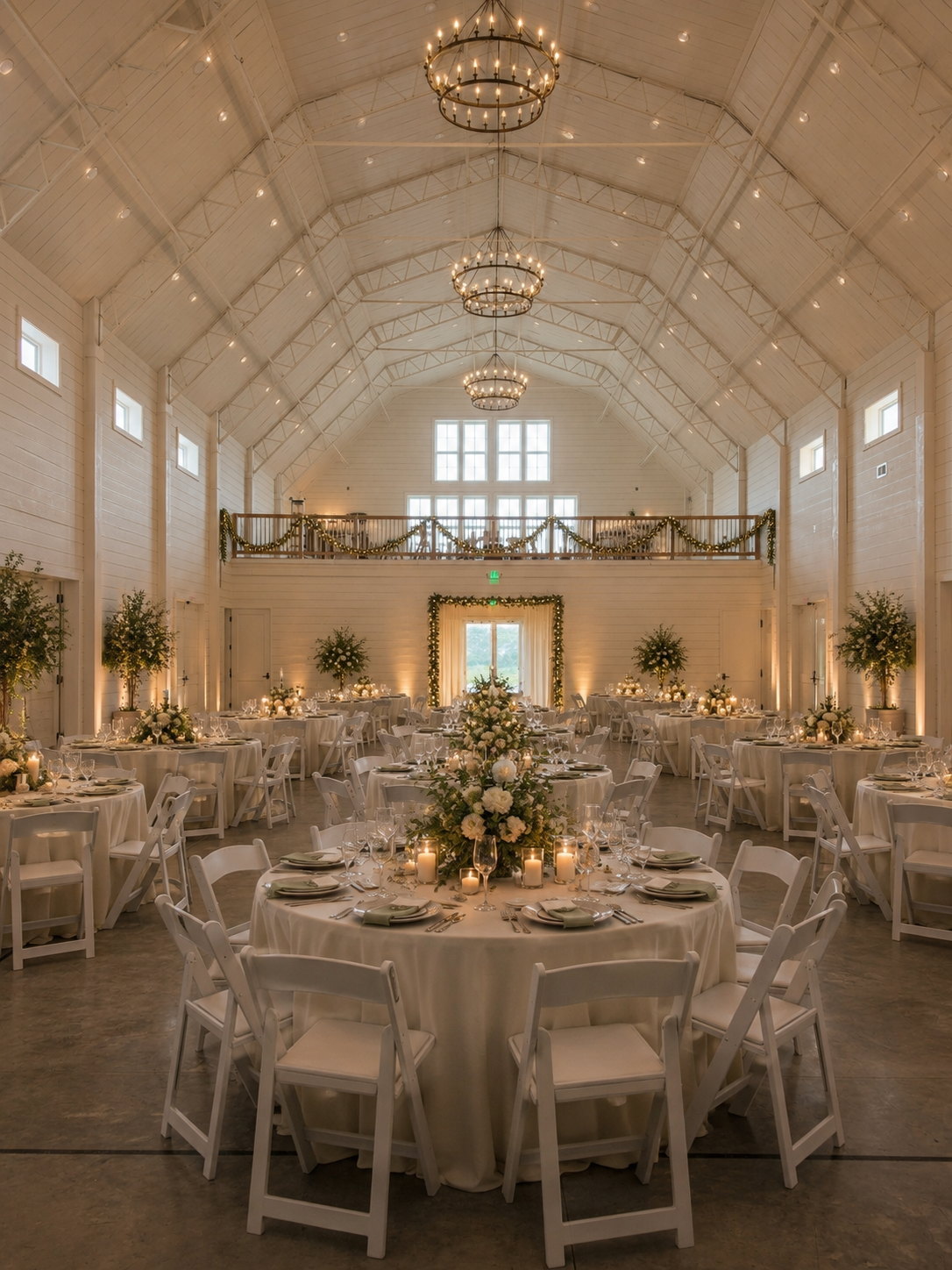
Planning a Wedding at Milk & Honey Barn?
Milk & Honey Barn is a wedding and event venue in the Lincolnton, North Carolina area, created to give couples a beautiful, welcoming place to gather with the people they love. Our venue staff will be present for venue-related needs, while your chosen planner or coordinator manages the details and flow of your celebration.
Explore our pricing, availability, and included amenities, or contact us to schedule a tour. We would be honored to show you around and help you decide whether Milk & Honey Barn is the right setting for your wedding day.
