
Drop-Off Catering vs. Full-Service Wedding Catering: What Couples Need to Know
Food is often one of the largest parts of a wedding budget, and catering proposals can vary dramatically. One caterer may quote a simple price per person, while another includes servers, tableware, setup, cleanup, and weeks of planning.
Those quotes may look as though they are for the same meal, but they are not necessarily for the same service. Understanding the difference between drop-off and full-service catering will help you compare costs fairly and make sure no essential job is forgotten.
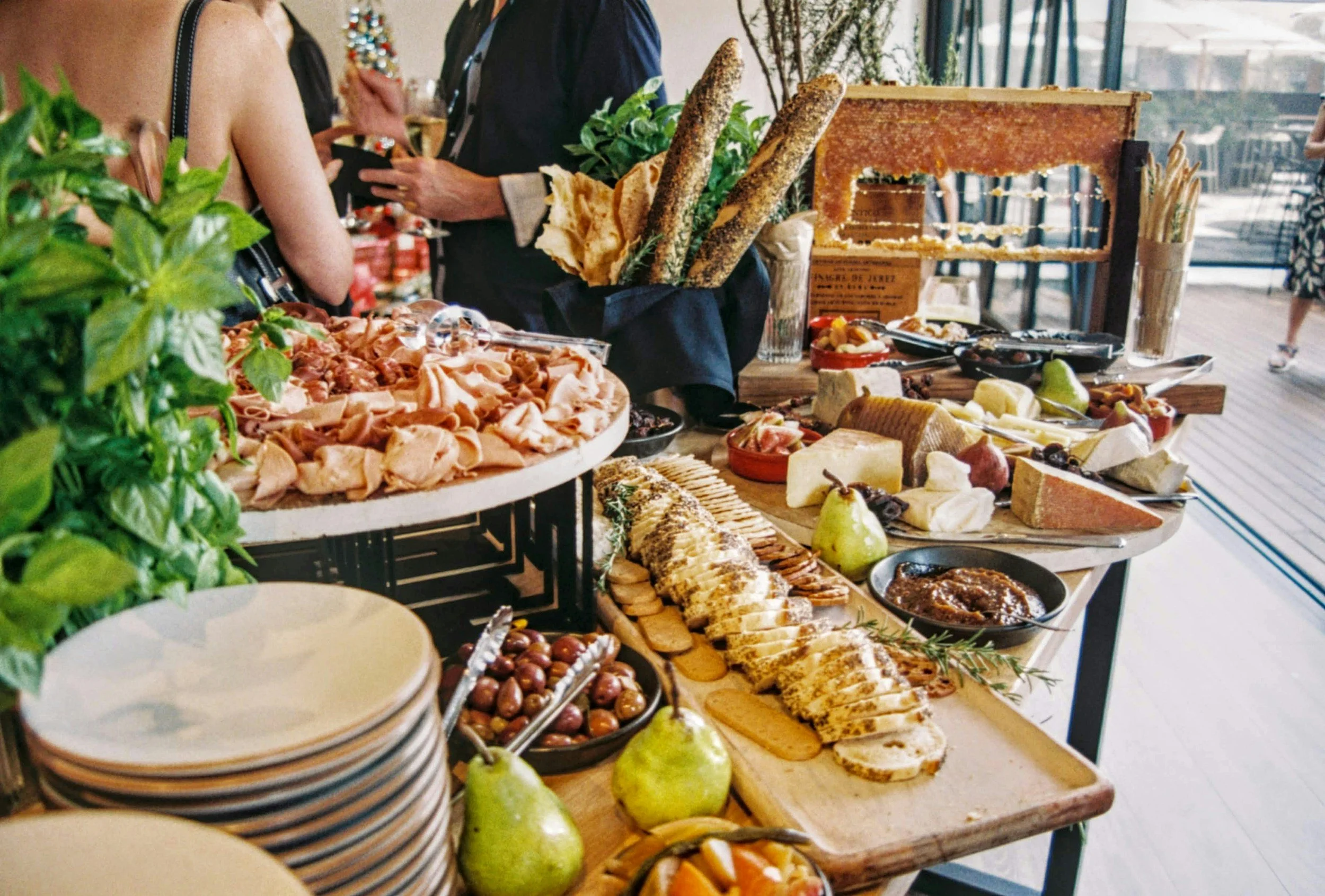
What is drop-off catering?
With drop-off catering, a restaurant or caterer prepares the food and delivers it to the venue. The food may arrive in disposable pans or containers, ready to place on a buffet or hold at the proper temperature.
Drop-off service may include:
Prepared food
Delivery
Disposable serving pans
Basic serving utensils
Limited setup
It often does not include:
Servers
Buffet attendants
Bussing tables
Refilling water or beverages
Plates, glasses, flatware, or linens
Cake cutting
Packing leftovers
Removing food and trash
Cleaning the serving area
Drop-off catering can be a practical, affordable choice, particularly for a casual wedding. However, the couple still needs a clear plan—and enough people—to handle everything that happens after the food arrives.
What is full-service catering?
A full-service wedding caterer manages both the food and the service surrounding it. Depending on the contract, the team may set the tables, prepare the buffet or plated meal, serve guests, clear dishes, cut the cake, manage nonalcoholic beverages, and clean their work area.
Full-service packages may include:
Menu planning and tastings
Delivery and food preparation
Catering equipment
Buffet, family-style, or plated service
Trained servers and bussing staff
Plates, flatware, and glassware
Water, tea, or coffee service
Cake cutting
Leftover packing
Breakdown and cleanup of catering areas
Full-service catering costs more because you are paying for staff, equipment, planning, setup, service, and cleanup—not only the food.
Which option costs less?
Drop-off catering usually has the lower initial quote, but compare the complete cost. You may need to rent or purchase chafing equipment, serving utensils, plates, cups, napkins, flatware, beverage dispensers, ice, and trash supplies. You may also need to hire staff separately.
If family or friends will serve and clean, the financial cost may be lower, but the work still exists. Decide whether you want those guests carrying pans, clearing tables, handling trash, and packing food instead of enjoying the reception.
Full-service catering can offer better value than it first appears when the package replaces several separate rentals and staffing needs. Request an itemized proposal so you can compare the same categories.

Who will keep the food safe and ready?
Hot foods need appropriate hot-holding equipment, and cold foods must remain properly chilled. Food should not be left unattended for long periods or placed out far earlier than service begins.
Ask:
What time will the food arrive?
Who checks the temperature and condition at delivery?
Who lights or monitors chafing equipment?
Who refills each dish?
Who handles dietary restrictions and allergen questions?
What happens to leftovers?
If family members are preparing food, clarify who will transport it, how it will be held safely, and whether the venue permits the arrangement.
Who sets up the buffet and guest tables?
“Setup” can mean different things. A caterer may set out only food and serving utensils, while the couple expects them to place linens, plates, napkins, centerpieces, water glasses, and table numbers.
Ask each vendor to describe setup in detail. Your coordinator, caterer, florist, rental company, and decorating team should all know which items they are placing and when they can begin.
Who clears tables and handles trash?
Even with disposable plates, someone needs to remove used items, wipe spills, replace trash bags, and keep guest areas presentable. Without assigned bussing staff, dirty plates and cups can remain on tables throughout the reception.
Confirm:
How many servers or bussers are included?
Will they clear during and after dinner?
Who empties trash cans?
Where must trash be taken?
Who cleans food spills?
Who removes food and catering supplies at the end?
At Milk & Honey Barn, food and beverages must be removed, trash must be taken to the designated dumpsters, and vendors may not wash dirty dishes in venue sinks. Those dishes must be taken off-site. Reviewing the cleanup plan before the wedding protects your refundable deposit and prevents the last people at the venue from receiving an unpleasant surprise.

Do you need a separate bartender?
Catering and bartending are not automatically the same service. Even if a catering company provides servers, its staff may not be authorized or insured to serve alcohol.
At Milk & Honey Barn, couples who serve alcohol use the venue’s in-house bartending service. Alcohol must follow venue requirements, and service ends 30 minutes before the reception concludes. Discuss alcohol separately from catering so both teams know what they are providing.
Questions to ask a wedding caterer
Is this drop-off, staffed buffet, or full-service catering?
Exactly how many staff members are included, and for how many hours?
Who sets up and maintains the buffet?
Are plates, glasses, flatware, napkins, and serving pieces included?
Who provides ice and nonalcoholic beverages?
Will staff clear guest tables and remove trash?
Is cake cutting included?
Who packs and takes leftovers?
What equipment or kitchen access do you require?
When will you arrive and leave?
What are the travel, delivery, service-charge, and gratuity costs?
Do you carry liability insurance?
Choosing the right level of service
Drop-off catering may work well when the menu is simple and you already have reliable, clearly assigned help. Full-service catering may be worth the investment when you want family and friends to relax, need plated service, or prefer one team to manage the meal from setup through cleanup.
Neither option is automatically better. The right choice is the one that fits your budget, expectations, venue rules, and willingness to manage the remaining tasks. Make every responsibility visible before signing so a low food quote does not become a long list of last-minute jobs.

Planning a wedding at Milk & Honey Barn?
Milk & Honey Barn is a wedding and event venue near Lincolnton, North Carolina. Outside caterers are welcome, and our team will help you understand the venue requirements before the wedding. Explore our preferred vendors, FAQs, pricing, and availability—or contact us to schedule a tour.
