
What Does a Wedding DJ Really Do?
When couples think about hiring a wedding DJ, they often picture someone playing music while guests dance. Music is certainly a big part of the job, but a skilled wedding DJ does much more than build a playlist.
Your DJ may provide ceremony sound, make announcements, guide reception transitions, coordinate with other vendors, and read the room throughout the evening. The difference between someone who simply plays songs and an experienced wedding DJ can be felt from the ceremony entrance to the final dance.
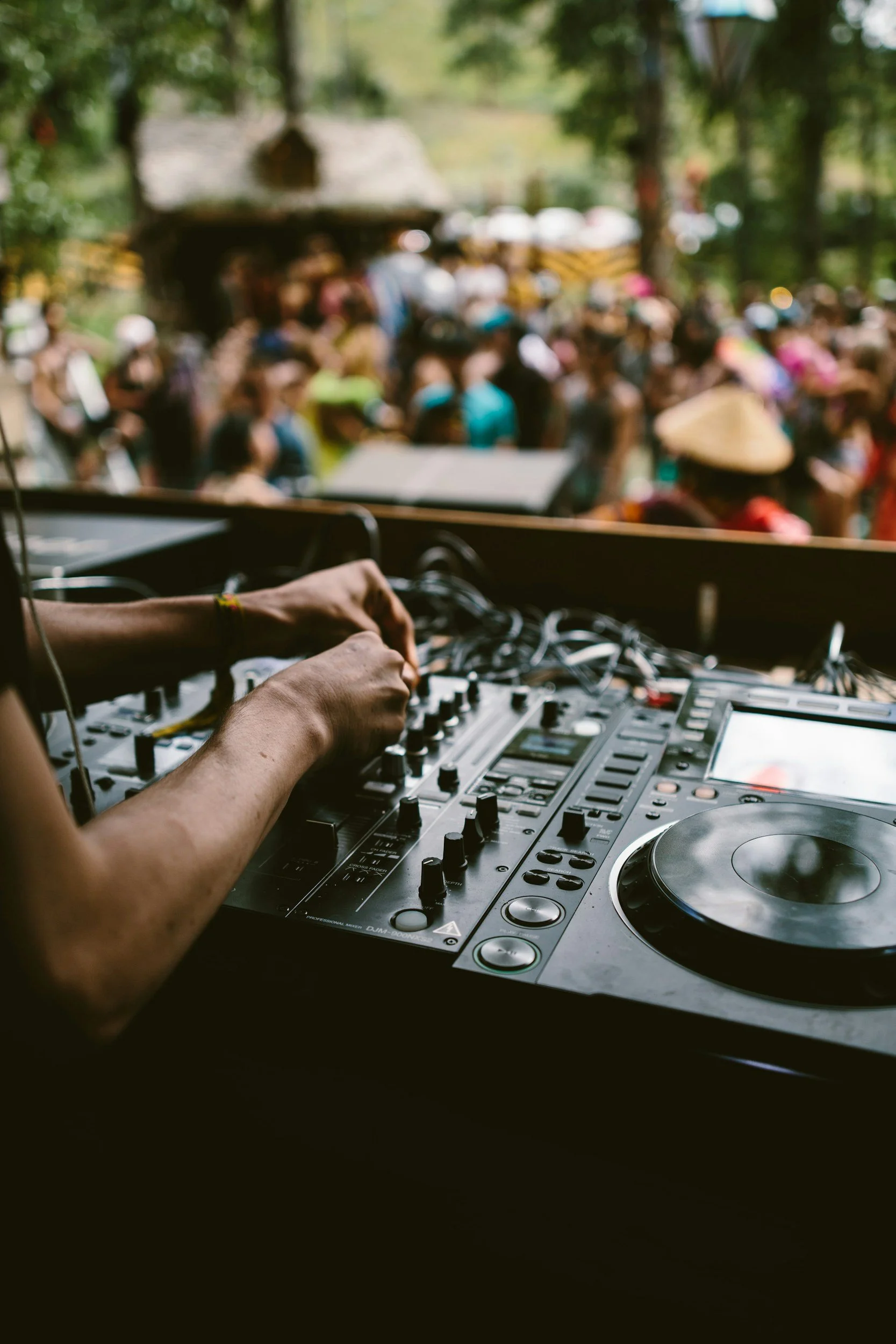
Your DJ helps set the pace of the day
Many reception events depend on an announcement or musical cue: the wedding-party entrance, first dance, blessing, dinner, toasts, cake cutting, parent dances, bouquet toss, and send-off.
The planner or coordinator manages the overall timeline, while the DJ helps communicate those transitions to guests. Before making an announcement, the DJ should confirm that the couple, photographer, videographer, caterer, and other necessary people are ready.
For example, announcing the cake cutting before the photographer is in position can mean missing an important photo. A strong vendor team communicates before each major moment.
Ceremony sound matters, too
Outdoor ceremonies are beautiful, but voices can disappear quickly in an open space. Even a small ceremony may need amplification so guests can hear the officiant and the couple’s vows.
A DJ may provide:
Speakers appropriate for the ceremony area
A wireless or lapel microphone for the officiant
An additional microphone for readers or musicians
Processional and recessional music
Sound checks before guests arrive
A separate sound system if the ceremony and reception are in different areas
Ask whether ceremony audio is included or priced separately. If you are hiring live musicians for the ceremony, find out whether they provide their own equipment and who will handle microphones for the vows.
The DJ often serves as the emcee
An emcee welcomes guests and makes necessary announcements without becoming the center of attention. A professional DJ should know how to speak clearly, pronounce names correctly, and match the formality and personality of the wedding.
Discuss the style you prefer. Some couples want an energetic personality who encourages participation; others want announcements kept brief and understated. Ask prospective DJs how they handle introductions, song requests, inappropriate requests, and guests who try to take over the microphone.
A professional DJ prepares before the wedding
Good wedding entertainment begins long before the DJ presses play. Your DJ should gather details about the timeline, wedding party, music preferences, special dances, and venue requirements.
Provide:
The final wedding-day timeline
Correct pronunciations for every name being announced
Ceremony song selections
Your first-dance and parent-dance songs
Must-play songs
A do-not-play list
Clean-version requirements
Cultural or family traditions
The names of the planner, coordinator, photographer, and videographer
The person authorized to approve changes
Do not rely on the DJ to create the entire wedding schedule. The planner or coordinator should develop the timeline, then work with the DJ and other vendors to make it realistic.
Reading the room is a real skill
A playlist cannot see that the dance floor is losing energy. An experienced DJ watches how guests respond and adjusts the song choice, tempo, and transitions. They know when to let a favorite song play and when to move on.
Your preferences still matter. Talk honestly about the music you love, the music you dislike, and the ages and personalities of your guests. A great dance floor usually balances the couple’s taste with songs that invite different generations to participate.
Equipment and backup plans
Ask what equipment the DJ brings and whether backup equipment is available. Important questions include:
How many speakers will you use?
Are ceremony and reception sound both included?
Do you provide wireless microphones?
Is dance-floor lighting included or optional?
Do you carry backup microphones, cables, and playback equipment?
How do you handle power interruptions or equipment failure?
How much setup time do you require?
Do you need a table, linen, or dedicated power supply?
Professional equipment should be placed safely without blocking walkways, exits, or important views. Your venue can tell the DJ where power is available and where equipment may be set up.
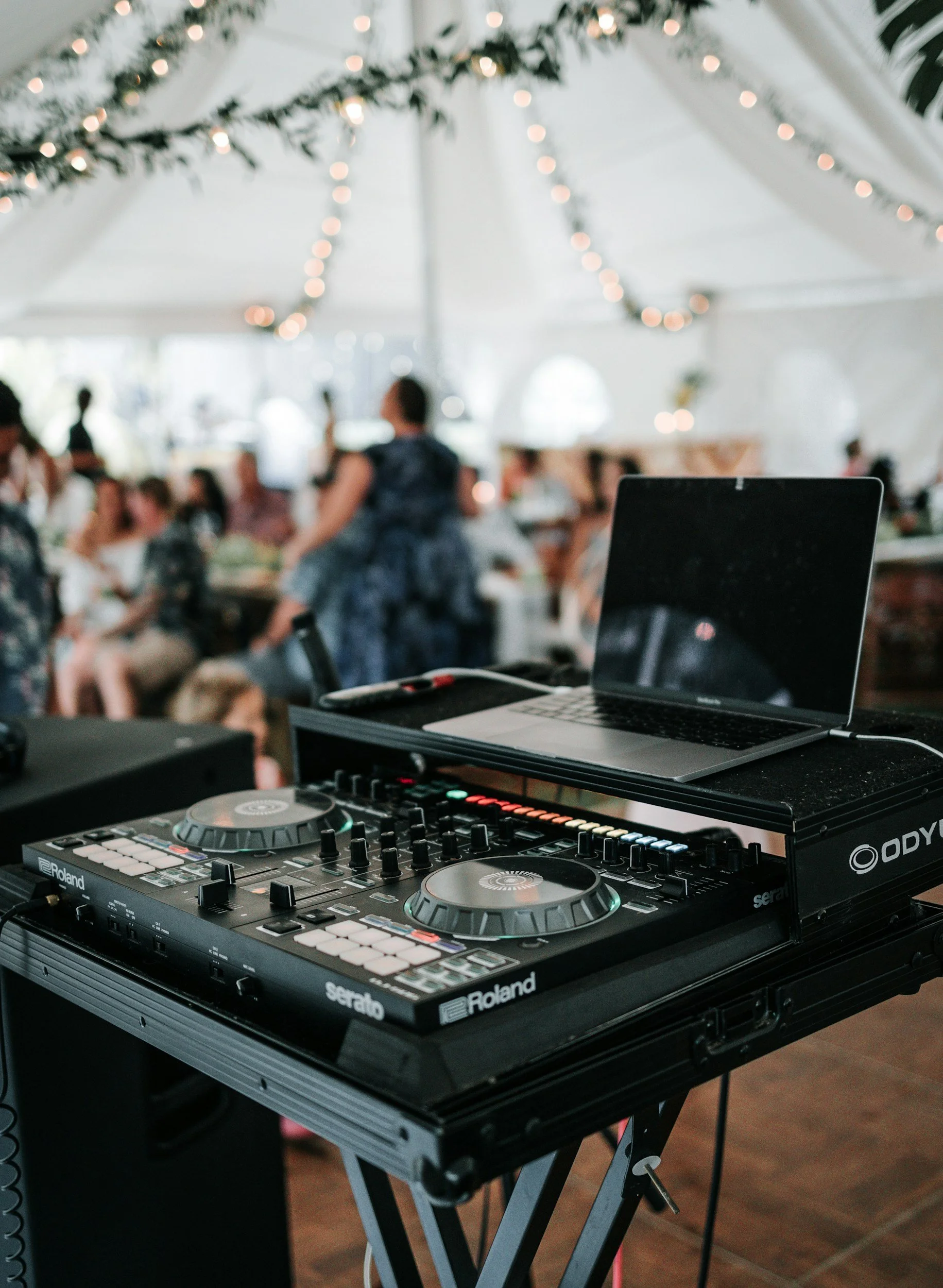
Questions to ask before hiring a wedding DJ
How many weddings have you worked?
Will the person we meet be our actual DJ?
Do you provide ceremony sound and microphones?
Will you also serve as the emcee?
How do you coordinate with the planner and photographer?
How do you handle guest requests?
Can we provide must-play and do-not-play lists?
What backup equipment do you bring?
How early do you arrive for setup?
Are travel, lighting, overtime, and additional sound systems included?
Do you carry business and liability insurance?
What happens if you become ill or cannot attend?
Help your DJ do their best work
Finalize important songs and names by the DJ’s deadline. Avoid making major timeline changes without telling them, and designate one decision-maker for the wedding day.
Also confirm the venue’s music rules. At Milk & Honey Barn, music must end by 10 p.m. and guests must depart by 11 p.m. Building the reception timeline around the music cutoff allows plenty of room for special dances, open dancing, and a meaningful ending without feeling rushed.
Your DJ cannot control the entire celebration alone, but they can become one of the most valuable members of a well-organized vendor team. The right professional will make the day sound good, feel natural, and move smoothly from one moment to the next.
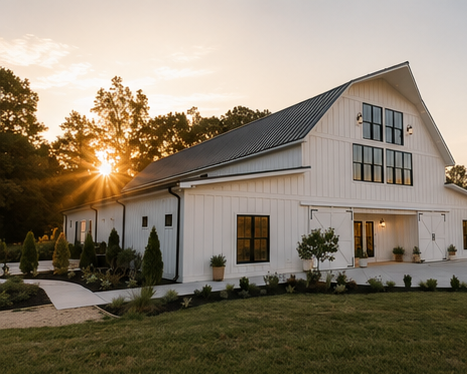
Planning a wedding at Milk & Honey Barn?
Milk & Honey Barn is a wedding and event venue near Lincolnton, North Carolina, with indoor and outdoor ceremony options and room to celebrate with the people you love. Visit our preferred vendors page for professionals familiar with weddings, or contact us to schedule a tour.
