
After the flowers fade and the last song ends, your photographs and film become some of the few tangible pieces of the wedding day you can revisit. Choosing the people who will create those memories deserves more thought than finding a pretty social-media feed.
Style matters, but so do experience, personality, communication, backup plans, and the ability to work well with the rest of your vendor team. Here is what to consider before booking your wedding photographer and videographer.
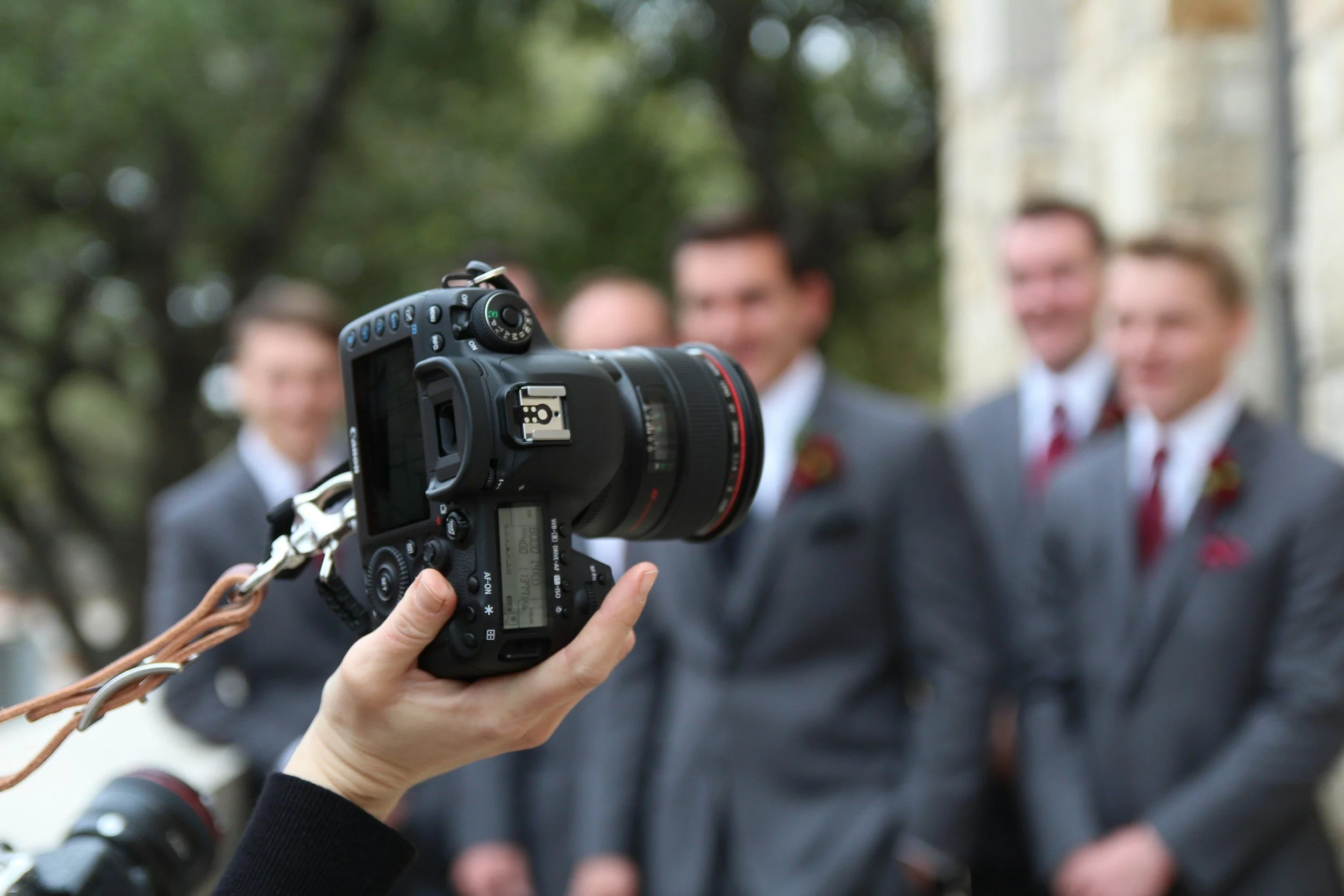
Start with the way you want the day remembered
Wedding photography is often described with words such as light and airy, true to color, dark and moody, editorial, traditional, or documentary. Videographers may create cinematic highlight films, documentary edits, social-media clips, or full ceremony films.
Look at complete galleries and full wedding films—not only highlight reels. Social media shows a professional’s favorite images, while a full gallery reveals how consistently they photograph indoor spaces, outdoor ceremonies, family groups, receptions, and changing light.
Ask yourself:
Do skin tones look natural and consistent?
Can you see details in both bright and dark settings?
Do the images feel posed, candid, or balanced?
Are emotional and family moments represented?
Does the film include clear audio from vows and speeches?
Will this style still feel meaningful years from now?
Choose someone you feel comfortable around
Your photographer and videographer will be close to you during private, emotional, and sometimes stressful moments. You should feel that they listen well, communicate calmly, and understand your comfort level.
During a consultation, notice whether the professional is interested in your priorities or mostly talks about their own process. Ask how they help couples who feel awkward in front of the camera, handle complicated family dynamics, and keep portraits moving without making the day feel like a photo shoot.
An engagement session can help you become comfortable with your photographer’s direction before the wedding.
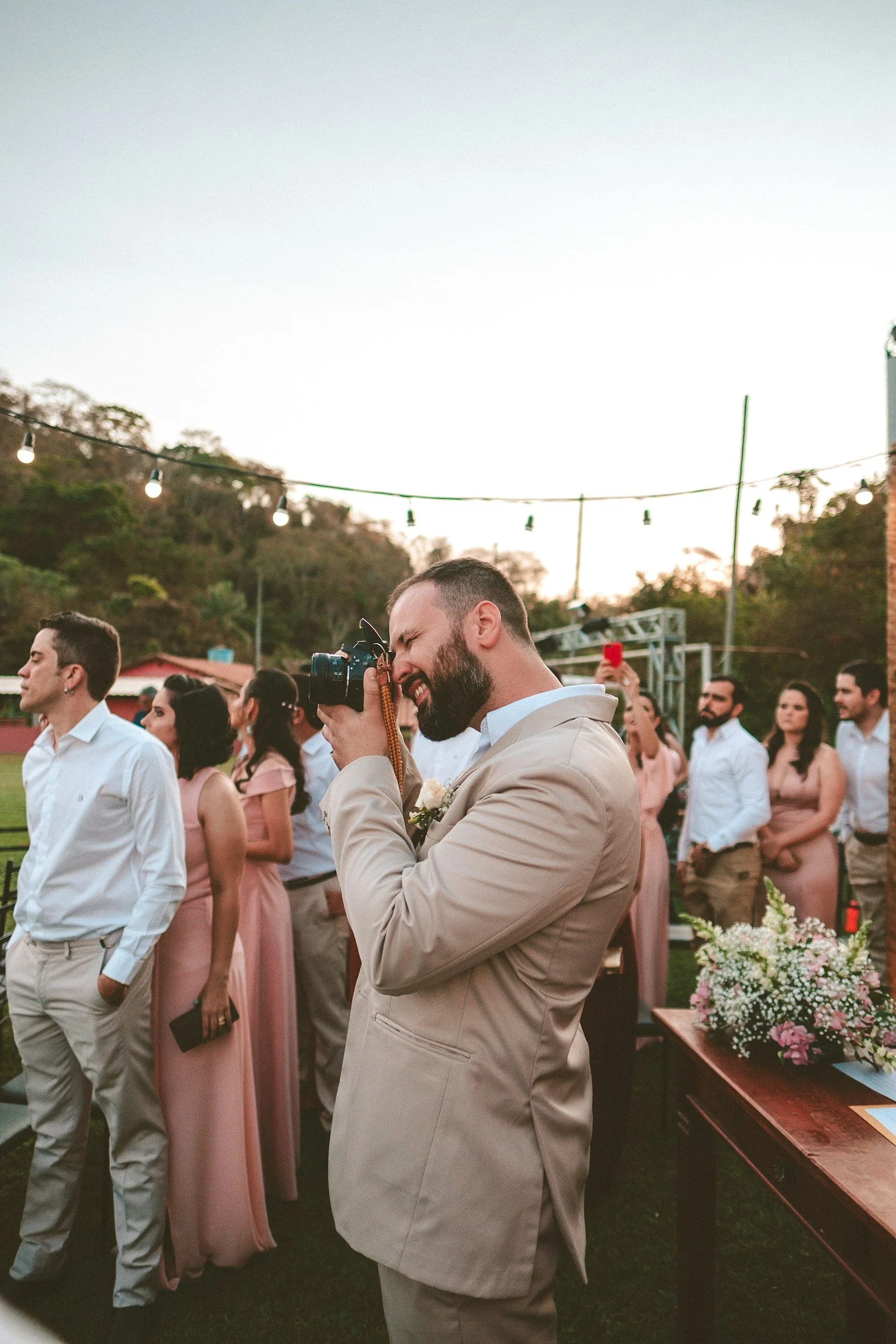
Decide how much coverage you need
Coverage should be built around the moments you want documented, not simply a standard number of hours.
Work backward from the reception ending and consider:
Getting-ready details
Hair and makeup finishing
First look or private vows
Wedding-party and family portraits
Ceremony
Cocktail hour
Reception introductions and dances
Toasts and cake cutting
Open dancing
Sunset portraits
Final or staged exit
If your ceremony begins late and you want getting-ready photos plus a final exit, a short package may not cover both. A staged exit earlier in the evening can sometimes provide the photos you want without extending coverage, but discuss it with your coordinator and DJ so it does not disrupt the reception.
One photographer or two?
A second photographer can be helpful for larger weddings, separate getting-ready locations, multiple ceremony angles, and simultaneous moments. One photographer may be perfectly adequate for a smaller wedding with a simple timeline.
For video, a second filmmaker may capture additional angles and reactions that one person cannot record at the same time. Ask what each team member will cover and whether the second professional is guaranteed or subject to availability.
Photography and video should work as a team
Photographers and videographers often need the same moments, locations, and portrait time. Professionals who communicate and respect one another can capture both without making the couple repeat everything.
Before the wedding, make sure both receive the same timeline. Encourage them to discuss:
First-look and portrait positioning
Ceremony camera locations
Microphones and audio recording
Sunset portraits
Reception lighting
Toasts, dances, and cake cutting
Exit plans
You do not necessarily need to book a combined photo-and-video company, but you do need vendors who can collaborate.
Understand your package and contract
Ask for clarity about:
Hours of coverage
Number of photographers or videographers
Engagement or bridal sessions
Travel fees
Overtime rates
Estimated number of edited images
Sneak peeks
Highlight and full-length films
Ceremony and speech edits
Raw footage or unedited files
Album or print credits
Delivery timeline and method
Image and music licensing
Cancellation, postponement, and illness policies
Raw photographs are generally not the same as finished images, and many photographers do not provide them. Similarly, “raw footage” can mean many hours of unorganized clips rather than a watchable film. Ask exactly what the term means before paying for it.
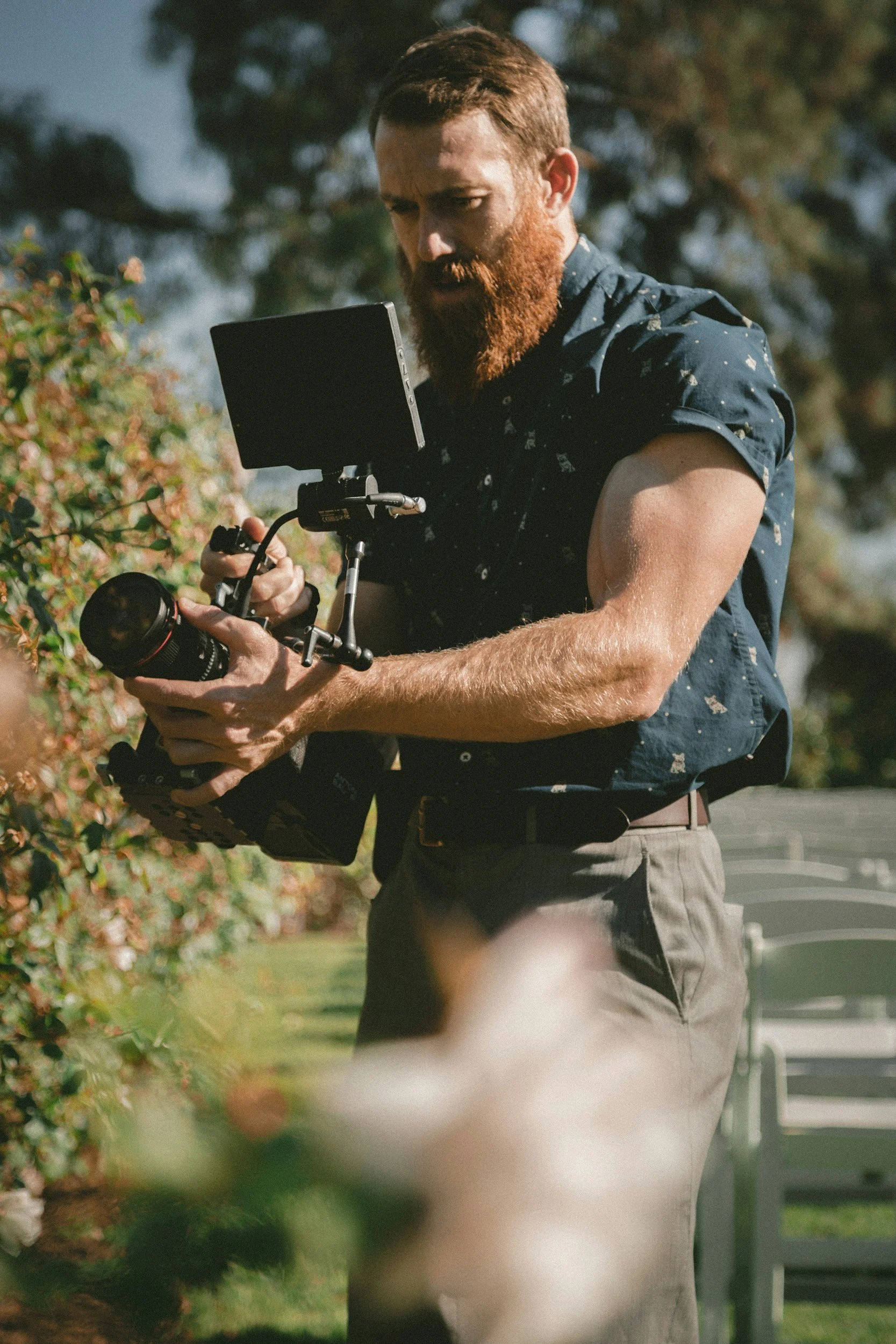
Ask about backup plans
Weddings cannot be recreated, so responsible professionals prepare for equipment failure and emergencies.
Questions to ask include:
Do you carry backup cameras, lenses, microphones, batteries, and memory cards?
Do your cameras record to more than one card?
How are files backed up after the wedding?
What happens if you become ill?
Do you carry liability insurance?
Have you photographed indoor and outdoor weddings in difficult weather or light?
Experience does not prevent every problem, but it usually improves how calmly and effectively problems are handled.
Create a realistic family-photo list
Your photographer needs the names of important family groupings and any sensitive relationships. Keep the formal list focused; every combination takes time, and guests can become difficult to locate once cocktail hour begins.
Designate one person from each family who knows everyone and can help gather relatives. Tell the photographer privately about divorces, deaths, mobility concerns, or strained relationships that may affect placement.
You do not need to provide a list of every standard photograph. Instead, share the people, traditions, heirlooms, and details that are especially meaningful to you.
Consider the venue and season
Ask how the photographer and videographer approach your ceremony time, available light, and indoor spaces. Sunset changes throughout the year, and golden-hour portraits may need to occur during dinner or another reception event.
Professionals do not have to know a venue already to do beautiful work, but they should be willing to review the layout, communicate with the venue, and arrive early enough to prepare. Drone footage should always follow weather, safety, property, and legal restrictions.
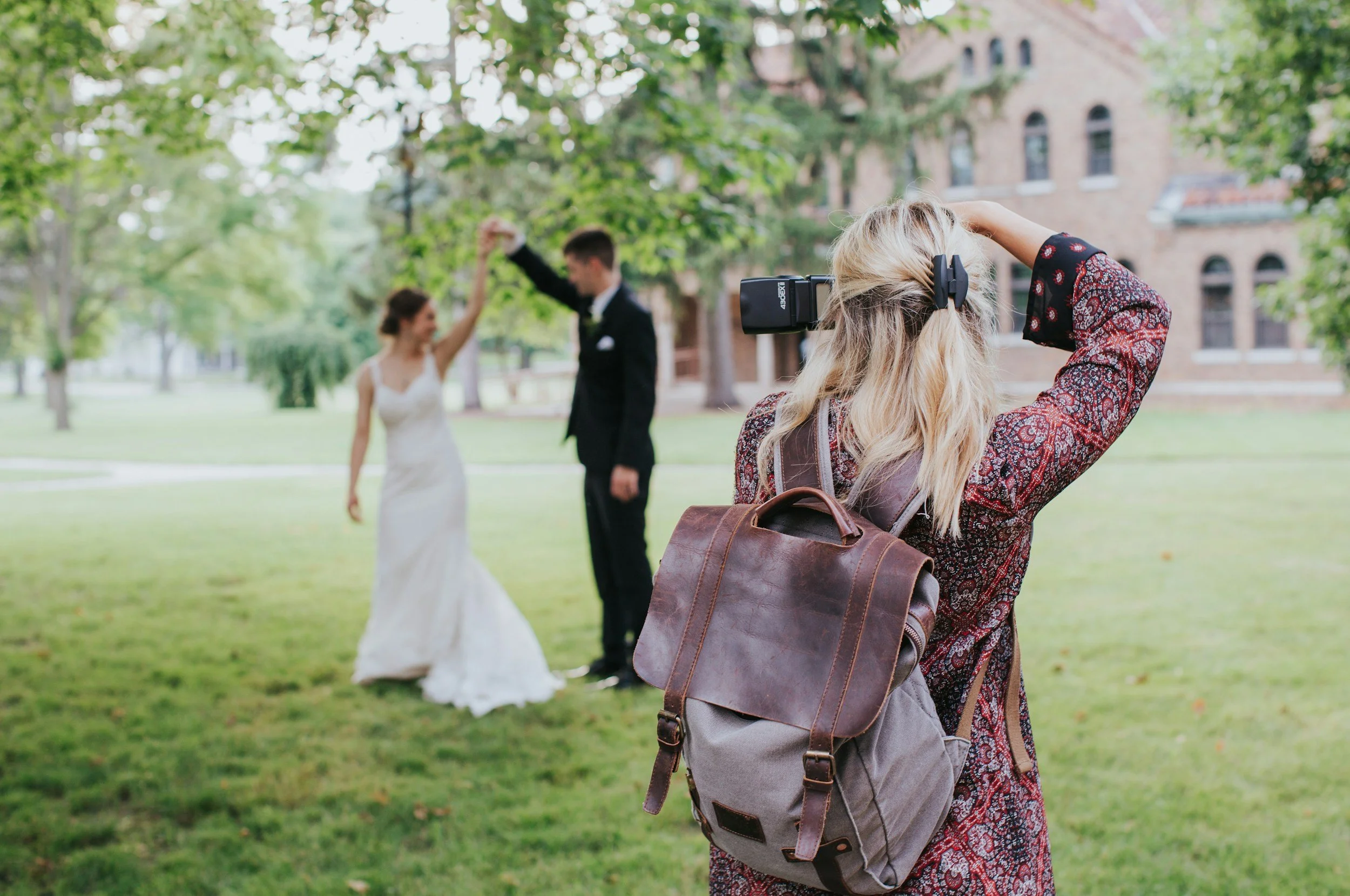
Questions to ask before booking
Can we see complete galleries or full films from real weddings?
Who will personally photograph or film our wedding?
How many weddings have you handled in settings similar to ours?
How do you work with the other photo or video team?
What is included in our package?
When will we receive sneak peeks and the final work?
How do you back up equipment and files?
What happens if you cannot attend?
Are travel and overtime included?
What rights do we have to print and share the images or film?
Choose trust, not only a trend
Beautiful work draws you in, but trust should make the final decision. Choose professionals whose complete work is consistent, whose contract is clear, and whose presence makes you feel comfortable. When you can trust the people behind the cameras, you can stay present while they preserve the day as it unfolds.
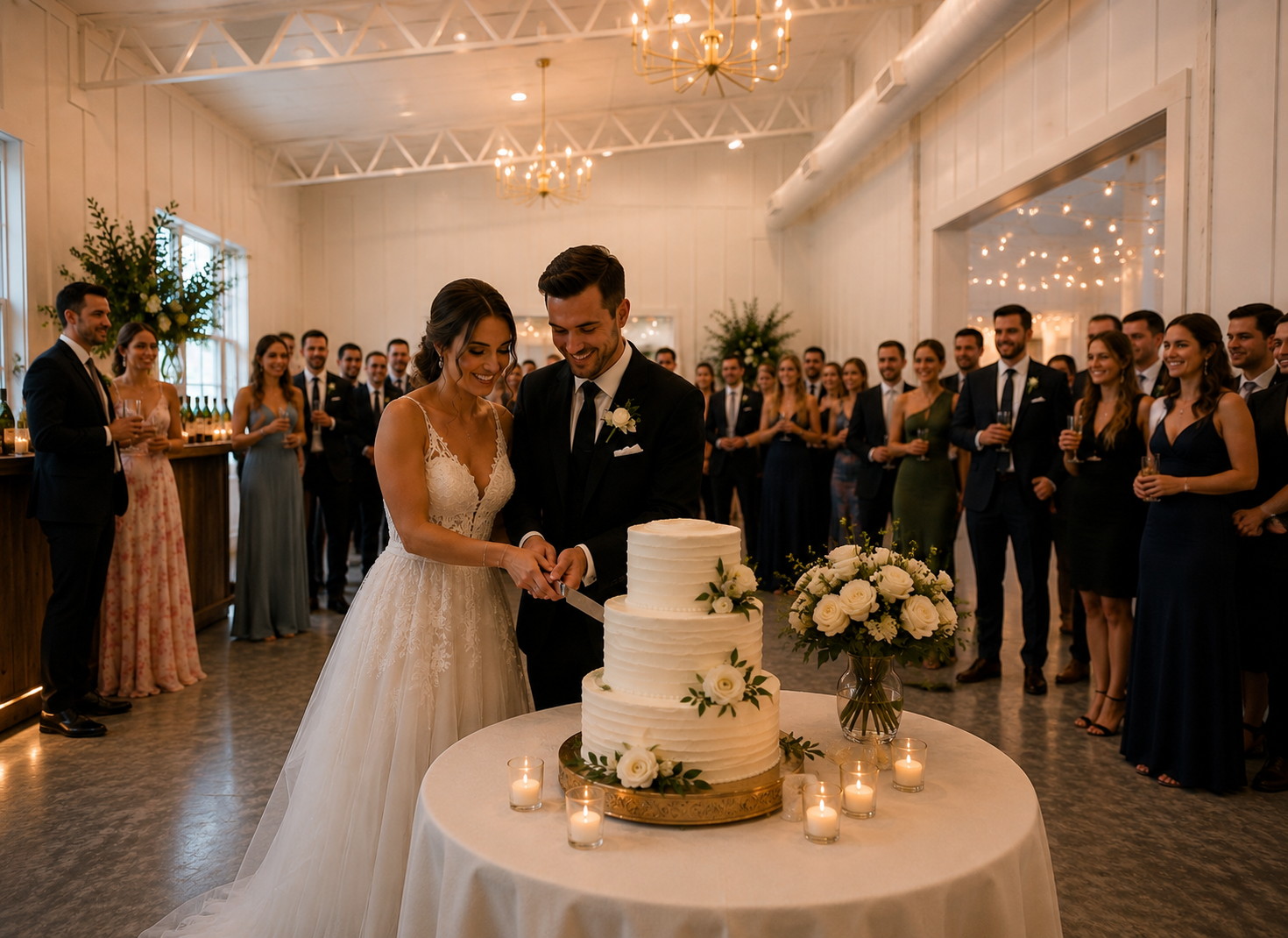
Planning a wedding at Milk & Honey Barn?
Milk & Honey Barn offers indoor and outdoor settings near Lincolnton, North Carolina, with warm architectural details and natural areas for portraits. Booked couples may also schedule bridal portraits at the venue by appointment. Explore our preferred vendors or contact us to schedule a tour.
